
























































































The Magic of Yoruba Bàtá Ensemble: A Rhythmic Heritage|Paul Adebanjo
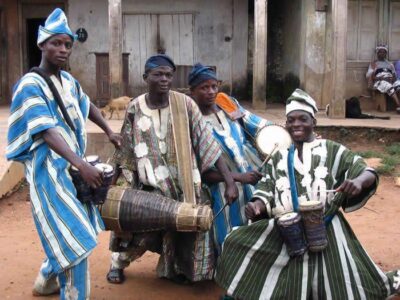
The Magic of Yoruba Bàtá Ensemble: A Rhythmic Heritage

By Paul Adebanjo
An ensemble is a group of instruments or performers that work together to create a unified sound. In music, it represents harmony, balance, and collective artistry—each performer contributing uniquely to a shared expression. Within the Yoruba cultural sphere, no ensemble captures this spirit of unity and communication more vividly than the Bàtá ensemble.
Yoruba music is deeply rooted in rhythm, symbolism, and social function, and the Bàtá drums stand at its very core. The Bàtá ensemble is not merely a collection of drums—it is a language, a spiritual expression, and a living archive of history. Its rhythms speak, praise, warn, and celebrate, depending on the context in which they are performed.
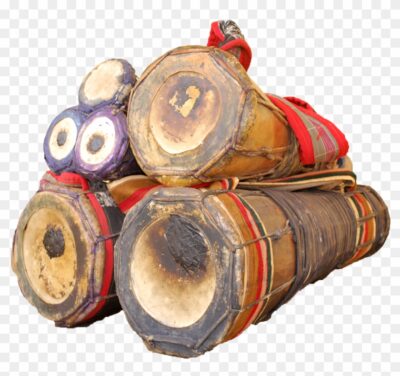
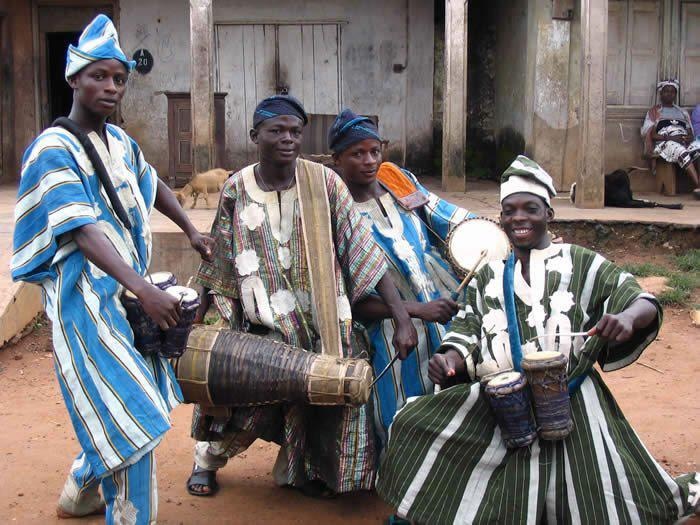
At the heart of the ensemble is the Ìyá Ìlù (Mother Drum), the lead drum that directs the performance, improvises, and signals transitions. Supporting it are the Omele Abò and Omele Akò, which respond and reinforce the rhythmic dialogue. Together, these drums create a musical conversation that mirrors Yoruba communal life, where cooperation and call-and-response are key to balance and beauty.
To enrich the soundscape, Yoruba performers often include instruments like the Gángan (talking drum) and Ṣẹ̀kẹ̀rẹ̀ (beaded rattle). Though they add color and depth, they are not part of the original Bàtá family, making them the “honored guests” of the ensemble rather than its core members.
The beauty of the Bàtá ensemble lies not only in its technical mastery but in its emotional and cultural depth. Each performance is a dialogue between drums and drummers, sound and silence, past and present. Through the Bàtá, Yoruba people preserve their heritage, transmit values, and celebrate identity—a rhythmic heritage that continues to inspire generations across the world.