
























































Just In: FG Reveals How DSS, Military Rescued 38 Abducted Eruku Worshippers After Public Outcry
Just In: FG Reveals How DSS, Military Rescued 38 Abducted Eruku Worshippers After Public Outcry

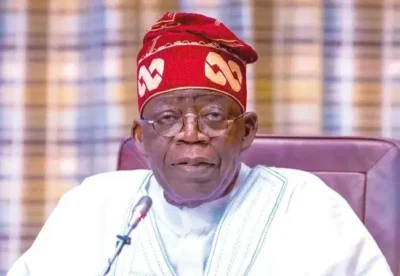
Just In: FG Finally Reveals How DSS, Military Rescued 38 Eruku Abducted Worshippers After Public Outcry
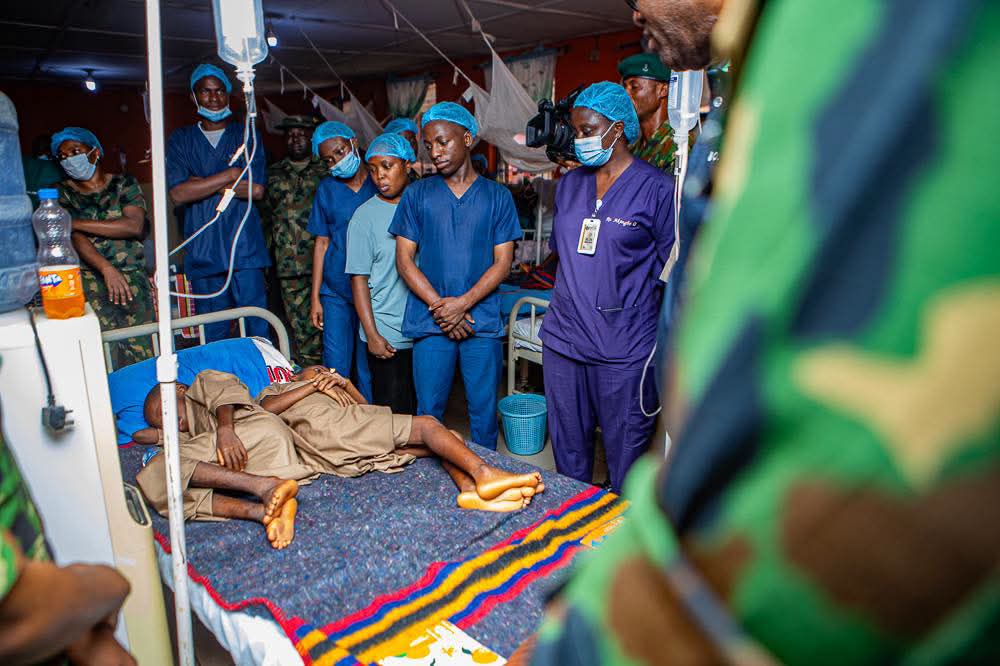
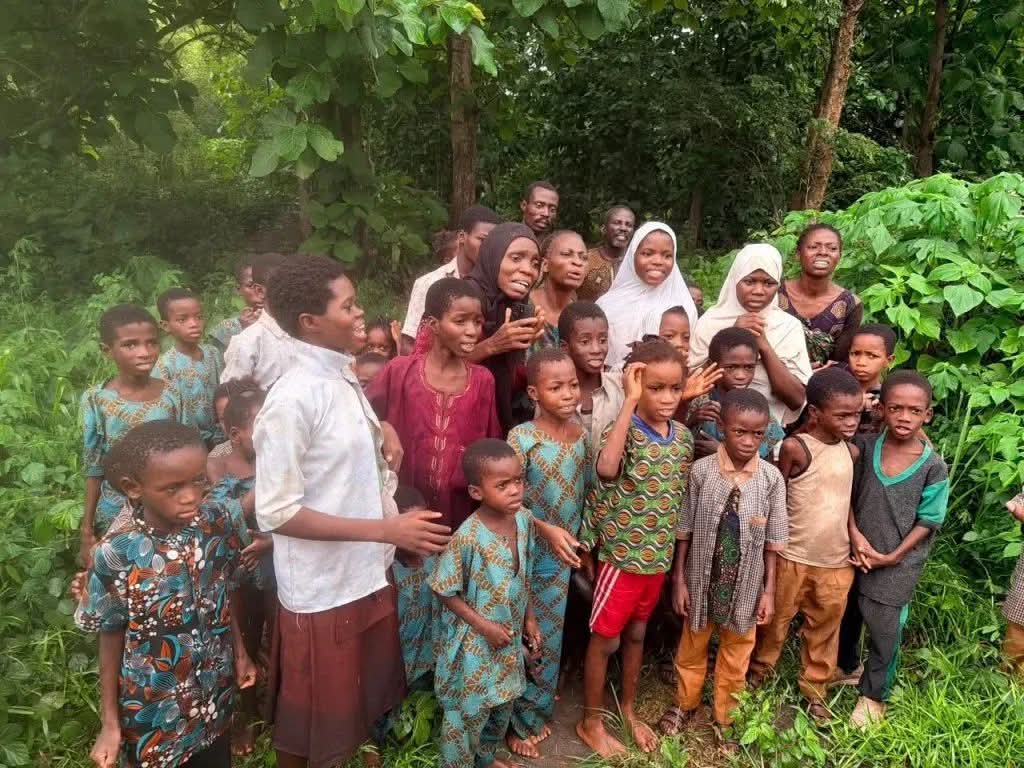
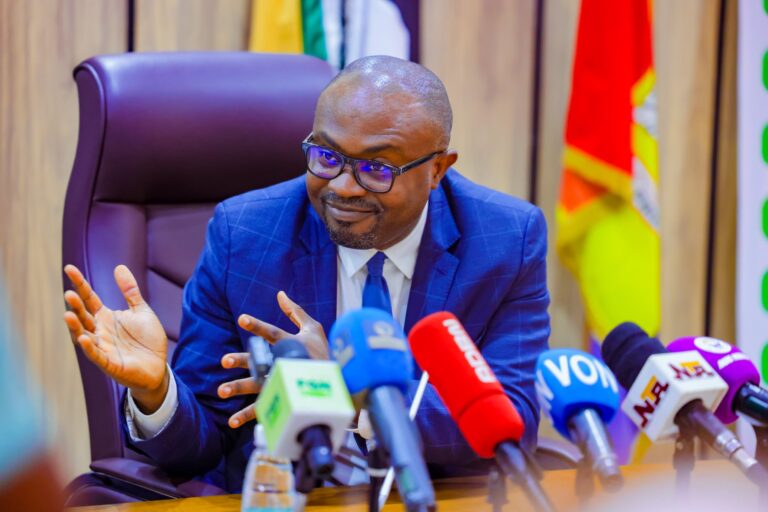
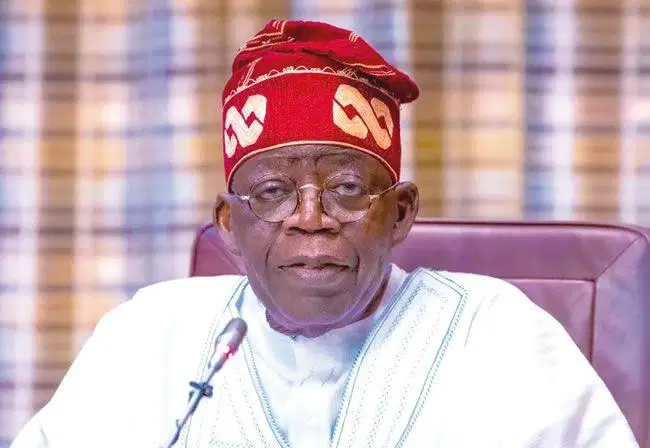
The Special Adviser to the President on Information and Strategy, Bayo Onanuga, has revealed that operatives of the State Security Services (SSS) and the military directly engaged the terrorists responsible for abducting 38 worshippers from the Christ Apostolic Church (CAC), Oke Isegun, in Eruku, Kwara State. Eagles Sight News has gathered.
Onanuga made this known on Monday, November 25, during an appearance on Prime Time, an Arise Television programme. He stated that security agencies had established communication with the armed groups and were already aware of their identities and locations.
The update follows outrage and demands by Nigerians from the FG to disclose the method of rescue approach used by the federal government and wether the kidnappers have been arrested. Eagles Sight News previously reported.
According to The ICIR, all 38 abducted worshippers regained freedom on Sunday, November 24, following days in captivity. Their release was the result of a coordinated operation by federal and state security operatives, with Governor AbdulRahman AbdulRazaq confirming that President Bola Tinubu personally monitored the rescue efforts.
Onanuga explained that security personnel swung into action immediately after the incident and made direct contact with the abductors. He noted that the bandits eventually retreated when they realised the implications of defying security warnings.
“I think after the incident happened, the DSS (legally known as SSS) and the military were involved in the rescue effort. They got in contact with the bandits to release those people unharmed, and finally on Sunday, they were able to get them out unharmed,” he said.
He added that although security agencies constantly track the activities and movements of such groups, they sometimes avoid launching direct assaults because of the high risk of killing hostages.
“The security people, they do have a way of tracking these people. They know what is going on at any point in time. What sometimes restrains them from going after them is the risk of collateral damages. They (bandits) go about abducting our people and use them as shields so that they would not be attacked,” he explained.
Onanuga further stated that the abductors understood that keeping the captives could provoke a military offensive.
“They (bandits) know the risk. If they keep those people in there and we are saying release them, they know that the next thing will be for the government to embark on the kinetic action and attack their base. But they can’t risk it; if you attack their base, you can also kill those captives.”
Pressed on how the negotiation unfolded, he declined to provide specific details, saying, “That is left for the security people to discuss, but what I know is that they contacted them to release those abducted.”
Responding to questions about why the government had not immediately arrested the perpetrators, he emphasised that securing the victims’ safety remained the top priority.
He also stressed that the “security people, they know all the bandits that are operating in that axis. They know them. They know where they operate.”
The Eruku attack adds to the growing wave of violence in Kwara’s border areas with Kogi and Niger states. Data compiled by The ICIR indicates rising incidents of kidnappings, highway attacks, and assaults on farming communities in Ekiti, Kaiama and Baruten LGAs.
During the Tuesday night programme at the church, armed men invaded, fired sporadically, and marched worshippers into the forest. Three persons were confirmed dead, while one remains hospitalised.
The abduction sparked nationwide outrage and renewed scrutiny of Nigeria’s security architecture, particularly after the United States recently listed Nigeria as a “Country of Particular Concern” due to rising violence.
In addition to the Kwara incident, three other abductions occurred within the same week, prompting President Bola Tinubu to cancel planned trips to Angola and South Africa. The escalating insecurity also led the Federal Government to shut all 41 Unity Colleges, while several states—Plateau, Bauchi, Niger and Katsina—also closed schools.
On November 17, The ICIR reported that armed men breached Government Girls Comprehensive Secondary School, Maga, in Kebbi State, killing the vice principal and abducting 25 schoolgirls—an incident reminiscent of previous mass kidnappings of schoolchildren in Nigeria. A teacher was killed defending the pupils, and a security guard later died from gunshot wounds.
Similarly, Boko Haram insurgents kidnapped 12 women and girls in Mussa district, Askira-Uba LGA of Borno State on Saturday, November 22. The state police spokesperson, Nahum Daso, confirmed the incident and said an investigation had begun.
In another attack, gunmen stormed St. Mary’s Papiri Private Catholic Secondary School in Agwara LGA of Niger State between 3 a.m. and 4 a.m., abducting many students and teachers. They arrived in large numbers, riding over 60 motorcycles and accompanied by a van. The school’s gatekeeper was shot and critically injured.
Earlier today, The ICIR also reported a fresh assault in Isapa community, near Ekuru, in the Ekiti LGA of Kwara State, where bandits struck again and abducted several residents.