


























































Seyi Makinde’s Transformational Governance: A Comprehensive Review (Part 1) – GSM Advocates

Seyi Makinde’s Transformational Governance: A Comprehensive Review (Part 1) – GSM Advocates

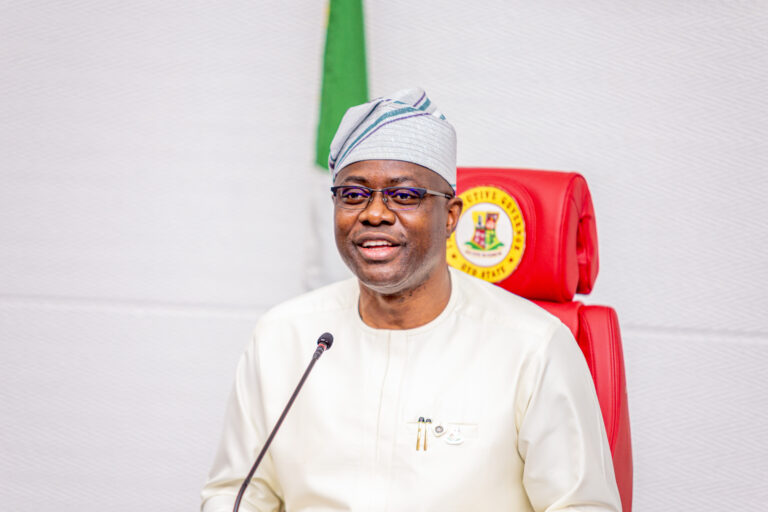
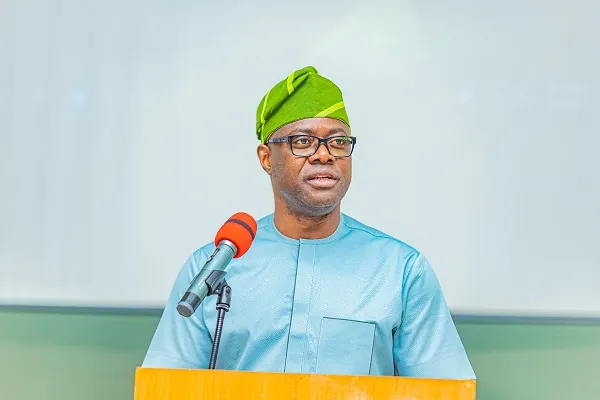
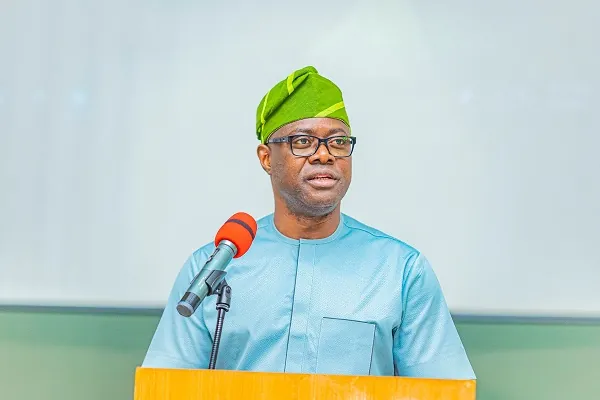
In the evolving narrative of democratic governance in Nigeria, the leadership of Seyi Makinde in Oyo State stands out as a compelling model of visionary, people oriented, and results driven administration. Since assuming office in 2019, Governor Makinde has pursued a governance philosophy rooted in transparency, accountability, and inclusive development, fundamentally reshaping the socio-economic and political landscape of the state.
His administration, guided by the Oyo State Roadmap to Accelerated Development, has delivered strategic interventions across all mainstream sectors of governance, ranging from infrastructure and education to healthcare, security, economy, and institutional reforms, creating a governance template that resonates beyond the boundaries of Oyo State.
At the core of Governor Makinde’s leadership is a deliberate commitment to purposeful governance. His administration is defined by a clear articulation of priorities, measurable targets, and a leadership style that emphasizes service delivery over political rhetoric. By aligning policies with the actual needs of the people, Makinde has ensured that governance in Oyo State remains both responsive and impactful.
Transparency has also become a cornerstone of his administration. Regular public disclosures of state finances, budget performance, and project implementation status have fostered trust and strengthened the relationship between government and citizens.
Infrastructure development has been one of the most visible and impactful areas of Governor Makinde’s administration. Recognizing infrastructure as a catalyst for economic expansion, his government has undertaken extensive road construction and rehabilitation projects across urban and rural areas.
Key arterial roads linking economic hubs have been reconstructed to enhance mobility, reduce travel time, and facilitate trade. Rural road networks have also received attention, enabling farmers to transport produce to markets more efficiently. This strategic investment in connectivity has not only stimulated commerce but also improved access to essential services.
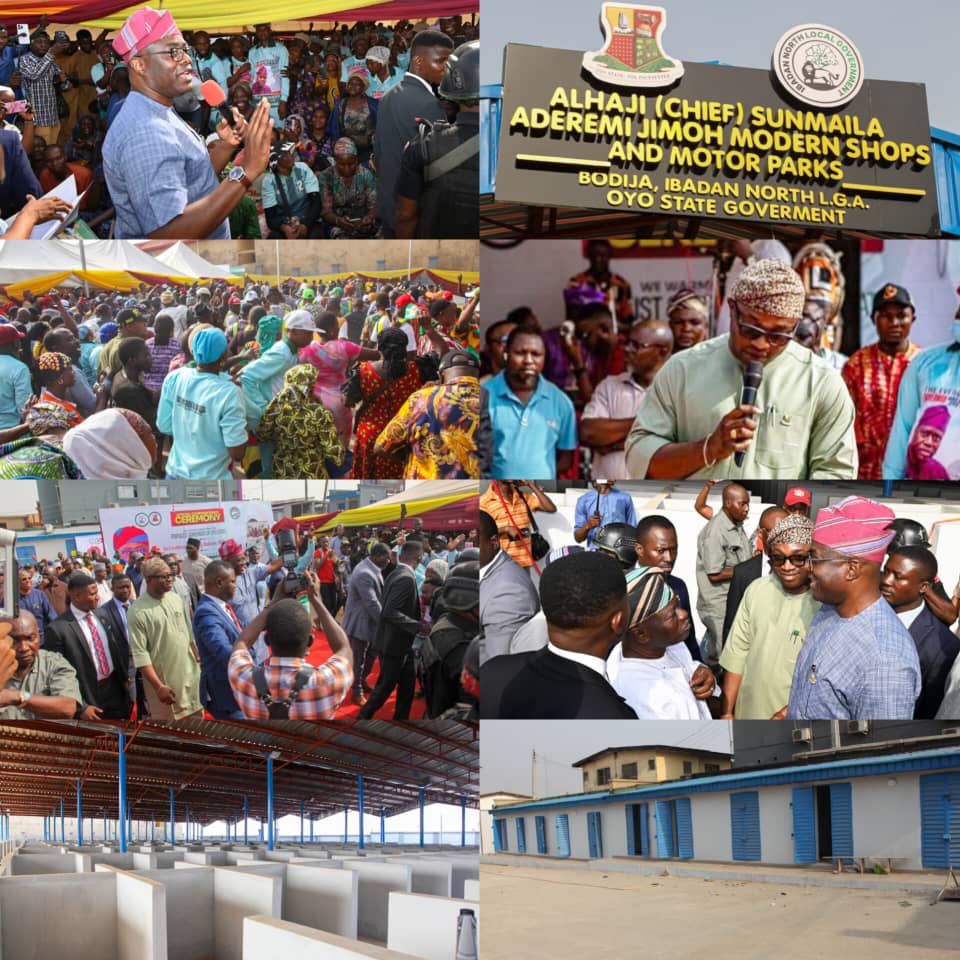
Beyond roads, the administration has invested in public infrastructure such as markets, transport terminals, and government facilities. Urban renewal initiatives in major cities like Ibadan have transformed the physical outlook of the state, reinforcing its status as a major economic hub in southwestern Nigeria.
Understanding that sustainable development is anchored on education, the Makinde administration has implemented bold reforms aimed at increasing access and improving quality. The abolition of school fees in public secondary schools marked a significant milestone, leading to a surge in student enrollment across the state.
To accommodate this increase, the government embarked on the recruitment of teachers and non-teaching staff, thereby addressing workforce gaps in the education sector. Additionally, ongoing training and capacity building programs have enhanced the effectiveness of educators.
Massive investments have also been made in school infrastructure, including classroom renovation, provision of furniture, and learning materials. By integrating modern teaching methodologies and improving the learning environment, the administration has repositioned public education as a viable and competitive option for families.
Governor Makinde has prioritized the strengthening of primary healthcare delivery as a foundation for a functional health system. Primary Healthcare Centres (PHCs) across the state have been renovated and equipped, ensuring that basic health services are accessible at the grassroots level.
The administration has also focused on improving secondary and tertiary healthcare institutions, providing medical equipment, and supporting healthcare personnel. Public health interventions, including disease prevention programs and emergency response strategies, have been enhanced to safeguard the wellbeing of citizens.
Health insurance initiatives introduced or expanded under his leadership have further improved access to affordable healthcare, reducing the financial burden on residents.
Governor Makinde’s economic strategy is built on diversification, private sector collaboration, and grassroots empowerment. Agriculture, identified as a key driver of economic growth, has received significant attention through policies that support farmers and agribusinesses.
The development of agribusiness industrial hubs, particularly in areas like Iseyin, has created opportunities for large-scale farming, processing, and export. Farmers benefit from access to improved inputs, training, and financing, while rural infrastructure development has enhanced productivity.
The administration has also promoted small and medium enterprises (SMEs) through financial support programs, skill acquisition initiatives, and policies that improve the ease of doing business. These efforts have stimulated job creation and strengthened the state’s economic base.
Through strategic collaboration with security agencies and local stakeholders, the government has strengthened the security architecture of the state.
The establishment and support of local security networks have complemented the efforts of conventional security agencies. Investments in logistics, intelligence gathering, and community policing have contributed to maintaining relative peace and stability, which in turn encourages investment and economic activities.
Governor Makinde has demonstrated a commitment to institutional strengthening and public sector reform. By promoting merit-based appointments, capacity building, and performance monitoring, the administration has improved efficiency within the civil service.
Digitalization and modernization of government processes have reduced bureaucratic bottlenecks and enhanced service delivery. These reforms have not only improved governance outcomes but also positioned Oyo State as a model for public sector innovation.
A defining feature of Makinde’s leadership is his emphasis on inclusivity. Social intervention programs targeting vulnerable groups, including the elderly, women, and youths, have been implemented to reduce poverty and improve living standards.
Youth empowerment initiatives, vocational training programs, and support for entrepreneurs have provided pathways for self-reliance. Women have also been given increased opportunities to participate in governance and economic activities, reflecting the administration’s commitment to gender inclusion.
The Makinde administration has also taken steps to address environmental challenges and improve urban management. Waste management systems have been strengthened, while urban planning initiatives aim to create more organized and livable cities.
Efforts to mitigate flooding, improve drainage systems, and promote environmental awareness demonstrate a forward-looking approach to sustainable development.
Governor Makinde’s leadership style is widely regarded as pragmatic, calm, and focused. His ability to navigate complex political dynamics while maintaining governance priorities has contributed to stability within the state.
He has consistently demonstrated a willingness to engage stakeholders, listen to citizens, and adjust policies when necessary. This participatory approach has strengthened democratic governance and fostered a sense of ownership among the people.
The administration of Seyi Makinde represents a significant chapter in the development history of Oyo State. Through strategic vision, disciplined execution, and an unwavering commitment to the welfare of the people, Governor Makinde has redefined governance in the state.
His achievements across infrastructure, education, healthcare, economy, security, and institutional reforms underscore a leadership that is both transformative and sustainable. As Oyo State continues on its path of growth and development, the Makinde model offers valuable lessons for governance not only in Nigeria but across emerging democracies.
Indeed, his tenure is not just a period of administration, it is a legacy in the making, anchored on service, integrity, and the relentless pursuit of progress