




































Breaking:Adeleke Secures Second Term as Osun Governor, INEC Declares(Full Story)

Adeleke Secures Second Term as Osun Governor, INEC Declares
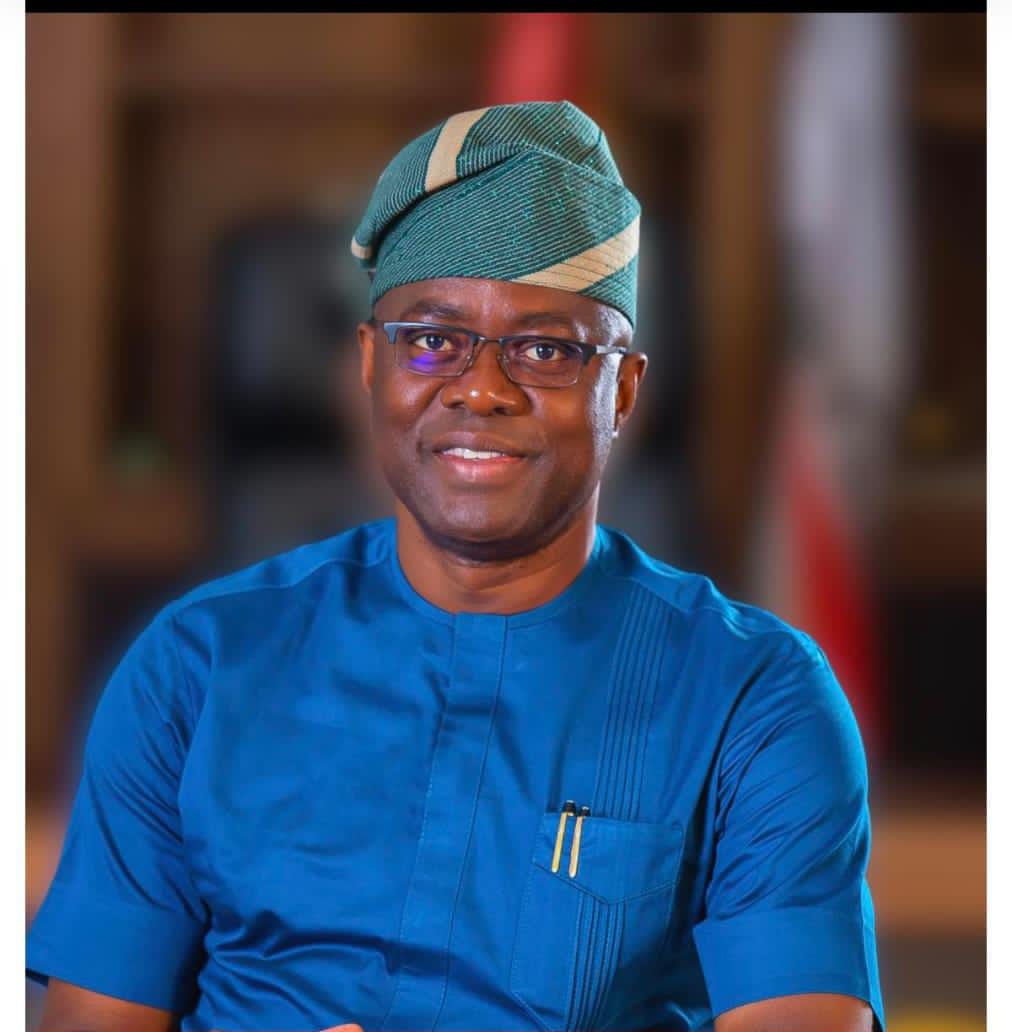
The Bola Ige House in Osogbo will once again be occupied by Ademola Adeleke, following his victory in the Osun State governorship election.

Adeleke emerged victorious after defeating his closest challenger, Bola Oyebamiji of the All Progressives Congress (APC), in a closely fought contest held across the 30 local government areas of the state.
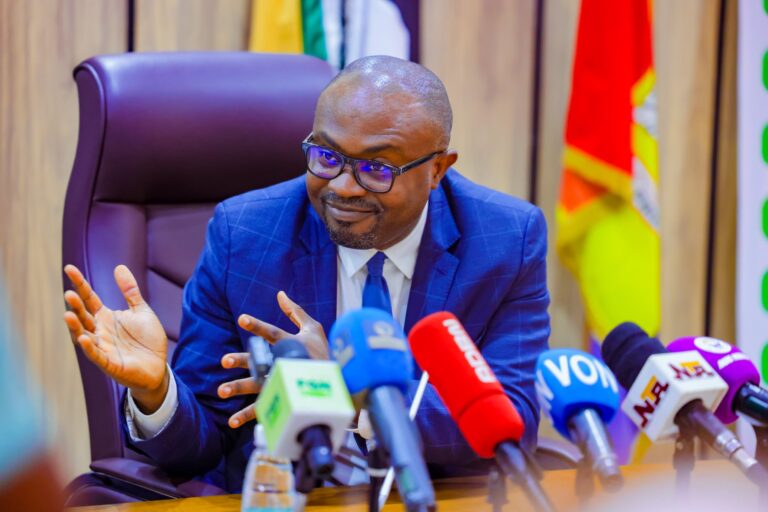
Announcing the final results at the Independent National Electoral Commission (INEC) Collation Centre in Osogbo early Sunday, the Returning Officer, Joshua Ogunwole, declared Adeleke the winner after he secured 511,067 votes.
Oyebamiji, who contested on the APC platform, finished in second place with 444,815 votes, while Najeem Salaam of the African Democratic Congress (ADC) came a distant third with 17,180 votes.
Ogunwole said a total of 1,005,800 votes were cast during the election, with 985,079 eventually declared valid. He added that 1,010,684 voters were accredited to participate in the exercise.
The Returning Officer subsequently declared Adeleke duly elected, stating that he had met the requirements stipulated by the electoral law.
From PDP to Accord Party
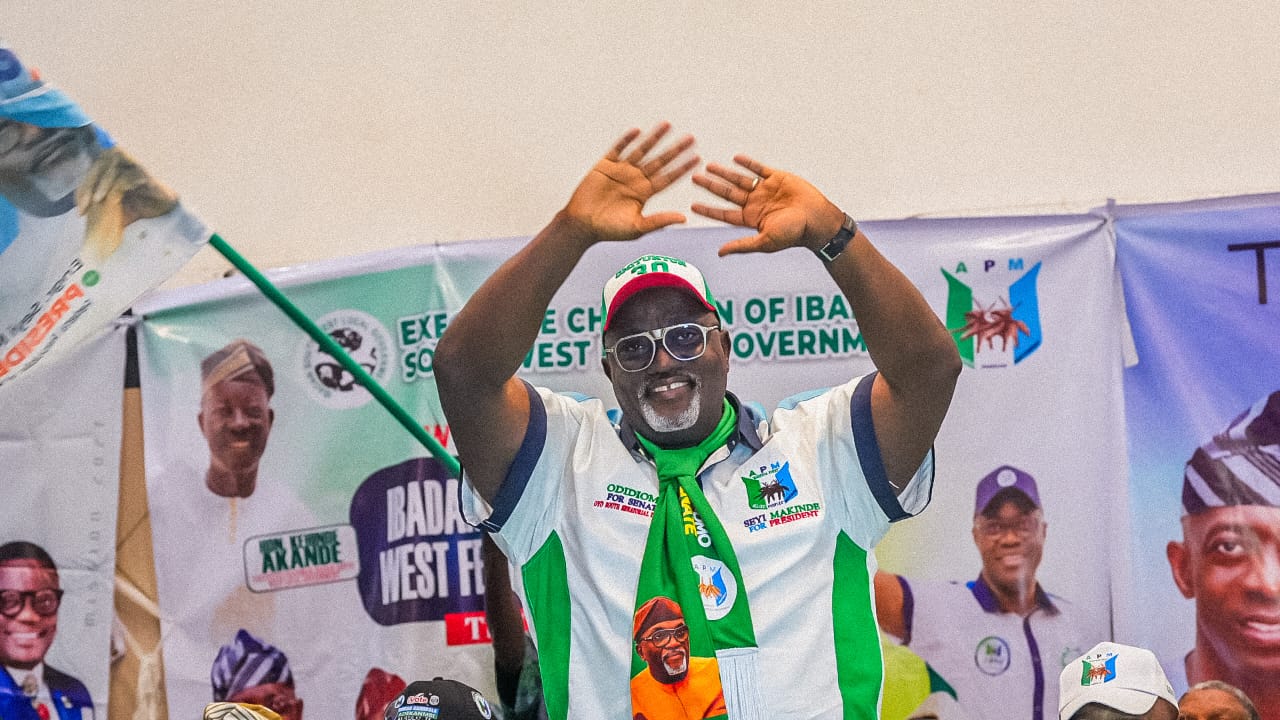
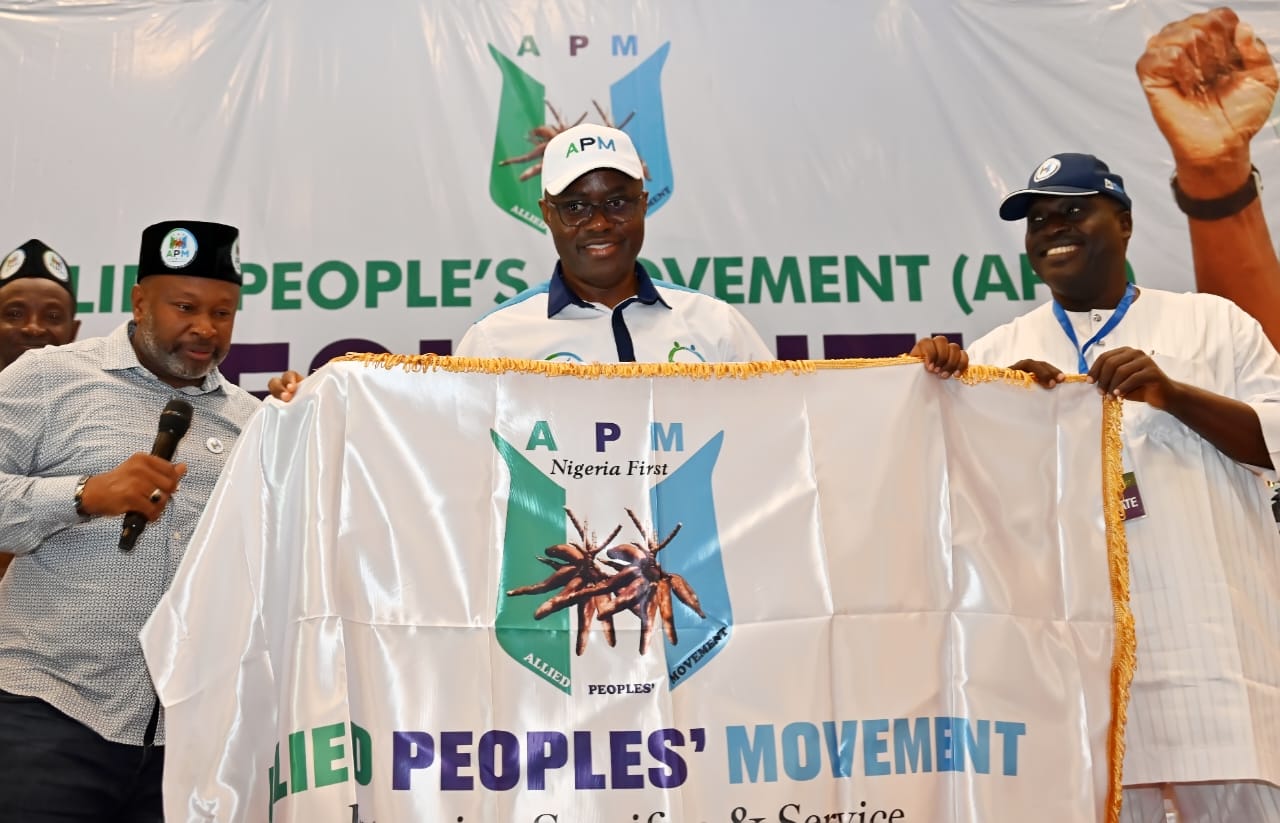
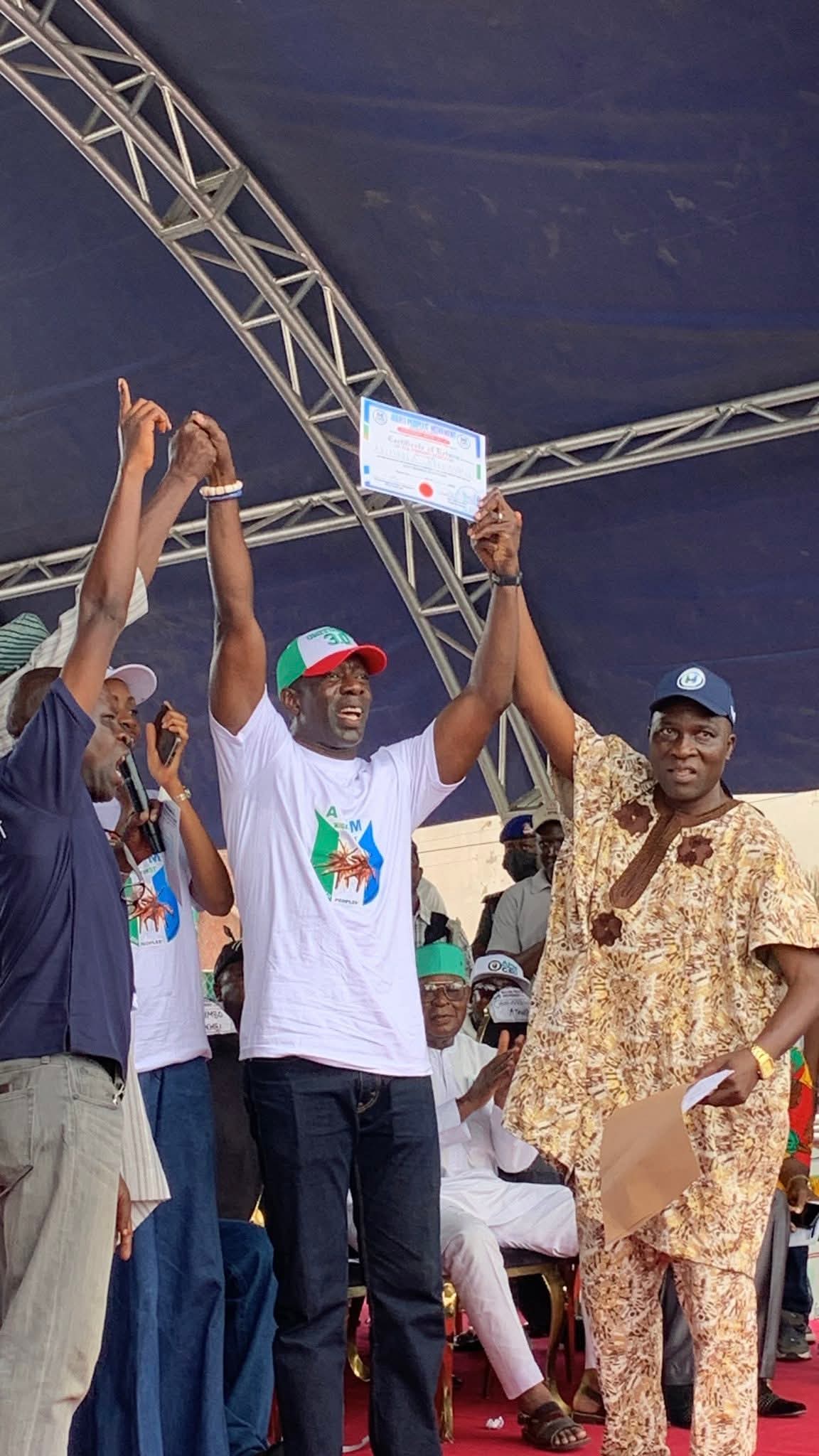
Adeleke’s re-election carries additional significance because he contested the poll under the Accord Party, having departed from the Peoples Democratic Party (PDP), the platform on which he won his first term as governor.
Explaining his decision to join Accord, Adeleke said the party’s emphasis on welfare was consistent with his administration’s focus on improving the well-being of citizens and workers.
He had earlier described the welfare of the people as the fundamental responsibility of government when announcing his move away from the PDP.
Security and Political Tensions
The election followed several months of intense political activities and campaigns involving 15 political parties.
In the days leading to the poll, political tension increased across the state, with the major parties exchanging allegations over incidents of violence, killings and destruction of property.
Security agencies consequently adopted extensive measures to prevent disruptions during the election. The police deployed about 15,000 personnel across Osun State, supported by 30 commissioners of police.
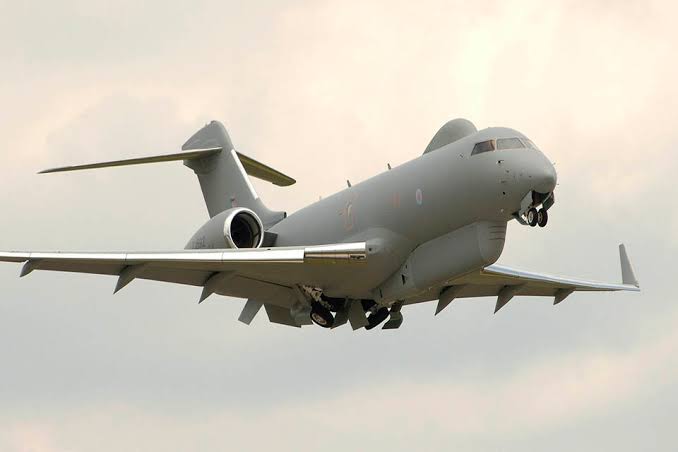
Authorities also deployed a police helicopter and a drone unit to assist with aerial monitoring and surveillance during the exercise.
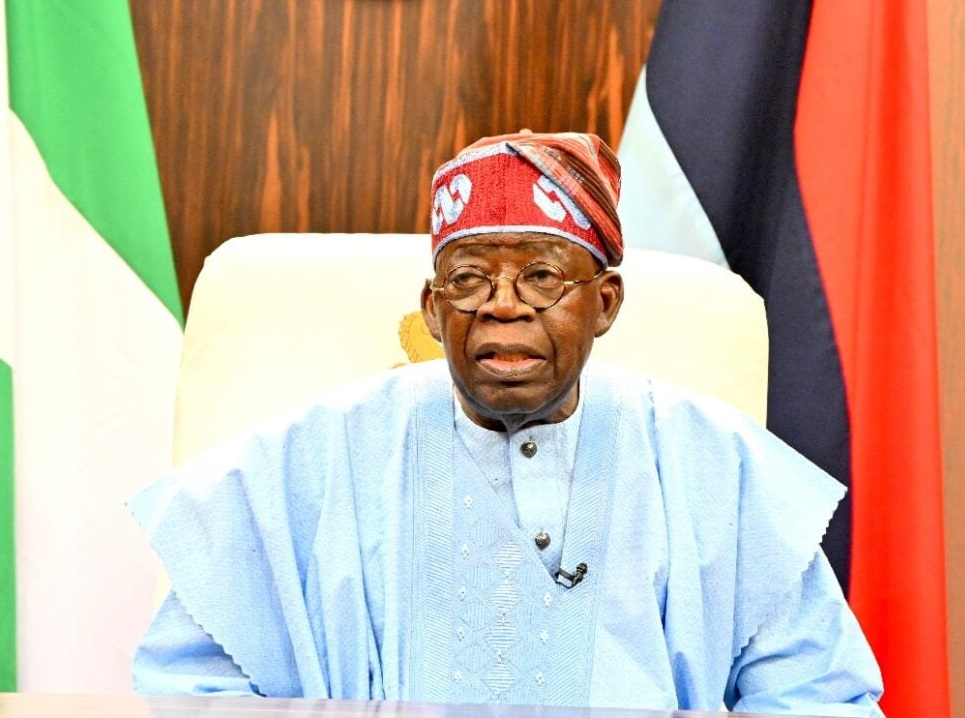
President Bola Tinubu had, before the election, directed the Inspector-General of Police, Tunji Disu, and other heads of security agencies to ensure adequate protection at polling units.
The President urged security personnel to prevent individuals from disrupting the election and called on INEC to guarantee a transparent and credible process.
EFCC Freeze and Presidential Intervention
Another issue that attracted attention shortly before the election was the decision by the Economic and Financial Crimes Commission (EFCC) to freeze an account belonging to the Osun State Government.
The development generated considerable public debate because of its timing, coming only days before the governorship election.
President Tinubu subsequently directed the anti-graft agency to lift the restriction. He expressed concern about the timing of the action, describing it as potentially embarrassing given the proximity of the election.
Court Order Adds to INEC’s Preparations
INEC also faced an unexpected challenge shortly before election day following a court order directing the inclusion of the Social Democratic Party (SDP) in the contest.
The late development required the electoral commission to make changes to its preparations, including the printing and distribution of ballot papers and other sensitive electoral materials.
Kunle Ajayi, the INEC National Commissioner supervising the Osun election, explained that the commission had to work around the clock to meet the new requirements.
According to him, despite receiving the court decision late, INEC was able to produce the required ballot papers within 36 hours and subsequently moved the sensitive materials to the Central Bank.
He said the commission’s personnel worked continuously because of the limited time available before the election, describing the period as one in which normal working hours no longer mattered.
With the final results now declared, Adeleke has secured another four years in office, defeating the APC’s Oyebamiji and the other candidates who participated in the keenly contested Osun governorship election.