

























GROUNDNUT OIL POLITICS VS FUTURE-BUILDING LEADERSHIP: OYO STATE DESERVES PROGRESS, NOT A RETURN TO ECONOMIC DEPENDENCY
GROUNDNUT OIL POLITICS VS FUTURE-BUILDING LEADERSHIP: OYO STATE DESERVES PROGRESS, NOT A RETURN TO ECONOMIC DEPENDENCY
By Adebayo Kazeem
In politics, there comes a time when the people must look beyond party affiliation, political propaganda and carefully staged empowerment ceremonies to ask the most important question of all: what exactly is a politician building for the people, and what will remain when the cameras are gone?
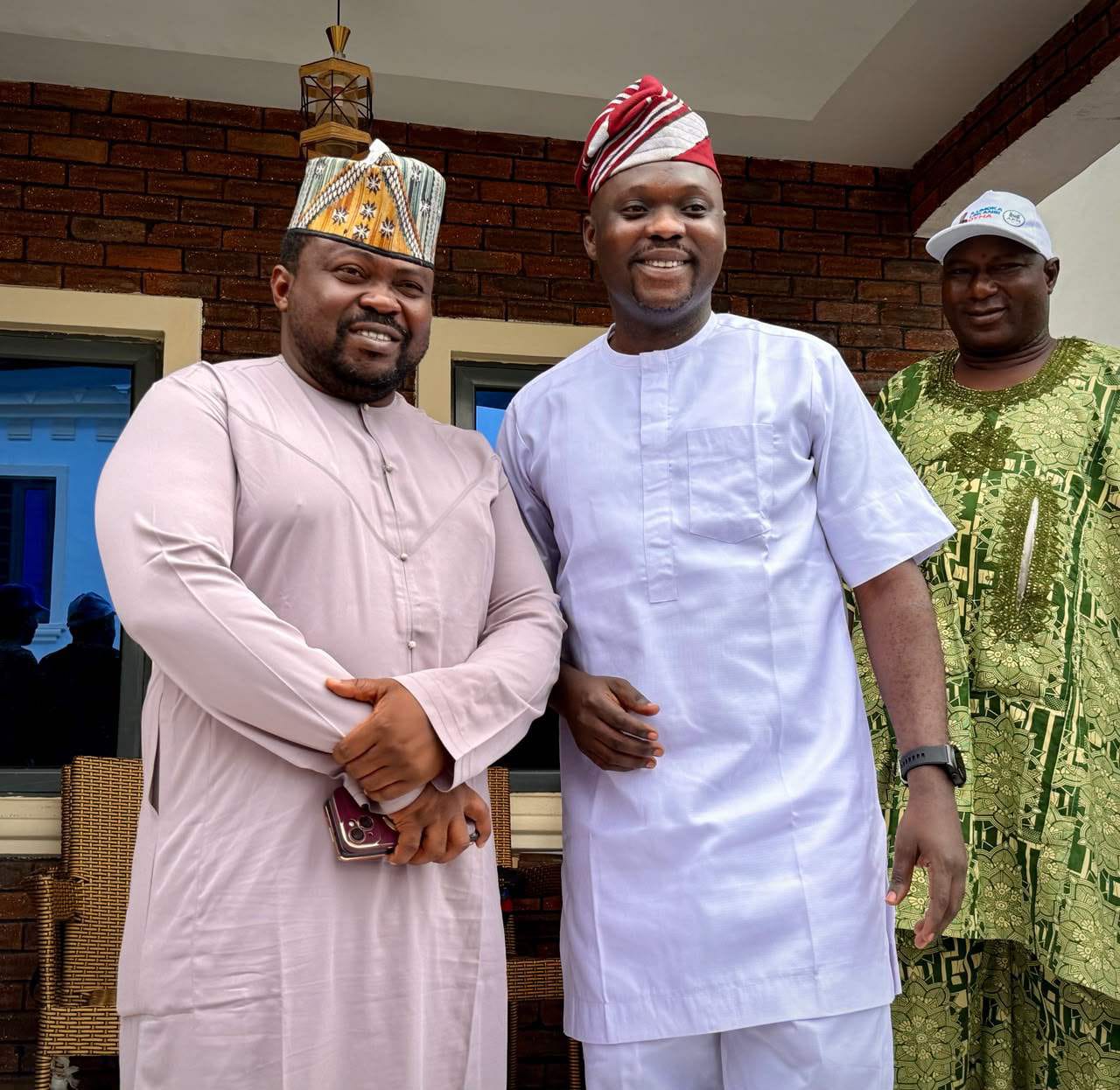
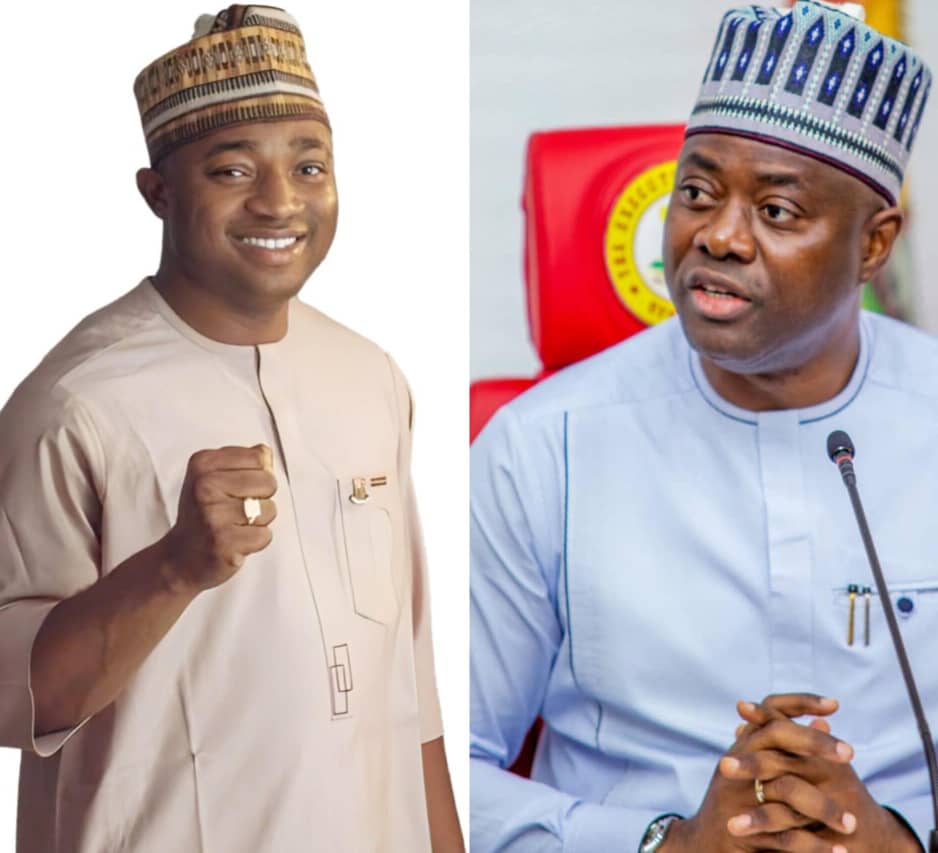
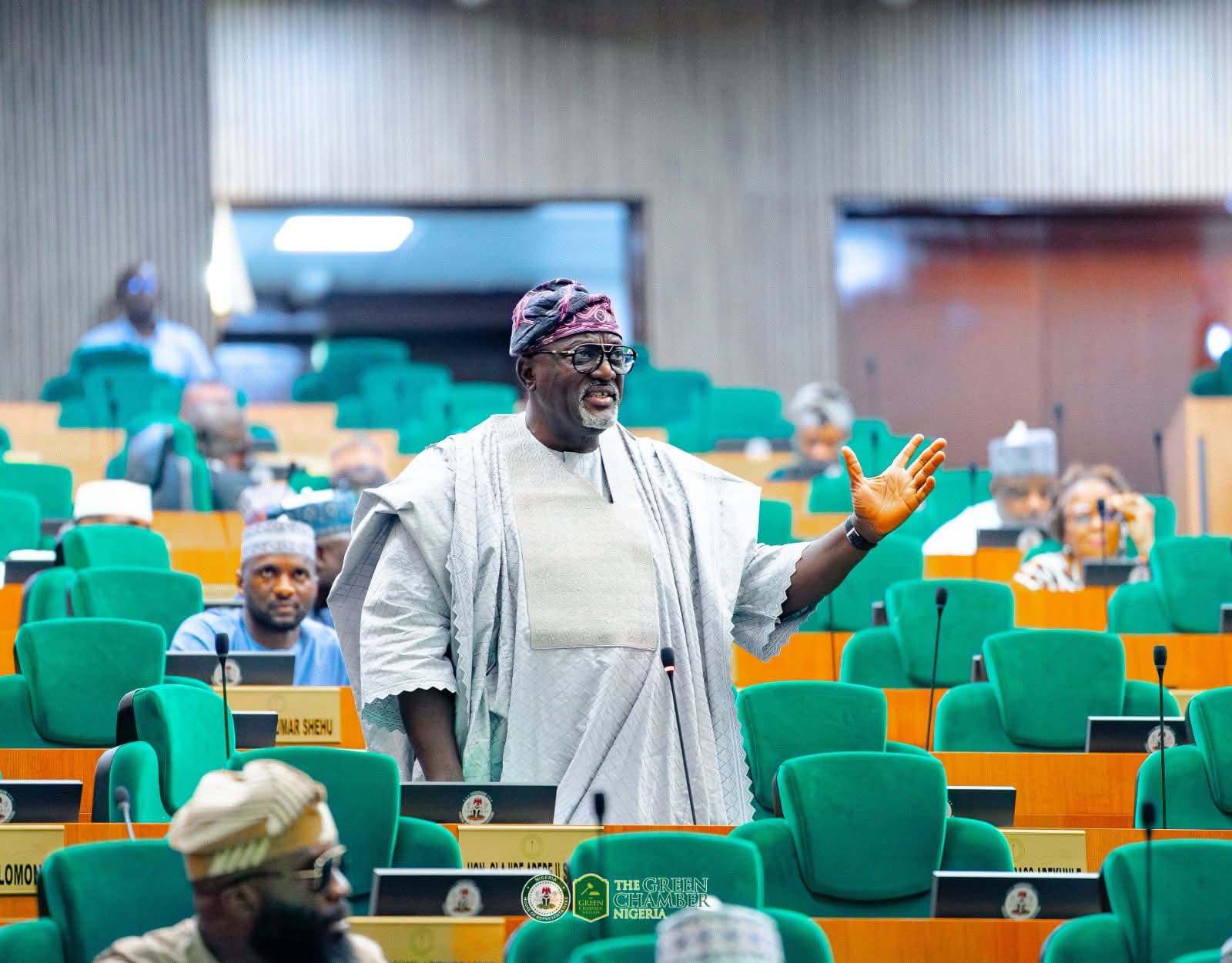
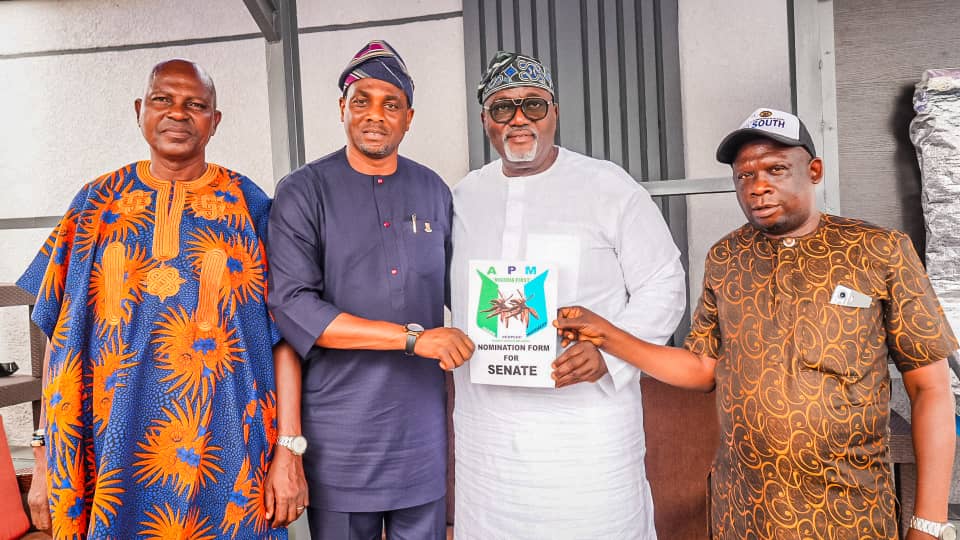
This question becomes particularly relevant when comparing Senator Sharafadeen Alli, representing Oyo South Senatorial District and aspiring to govern Oyo State, with Senator Fatai Buhari, representing Oyo North Senatorial District. Both men belong to the All Progressives Congress (APC), both represent Oyo State, and both have occupied the position of senator. Yet, their approaches to empowerment deserve serious scrutiny.
The issue is not whether politicians should assist struggling citizens. They should. The real issue is whether political leadership should stop at distributing consumable items or rise to the responsibility of creating sustainable opportunities that enable people to escape poverty. Oyo State cannot afford to confuse temporary relief with genuine development.
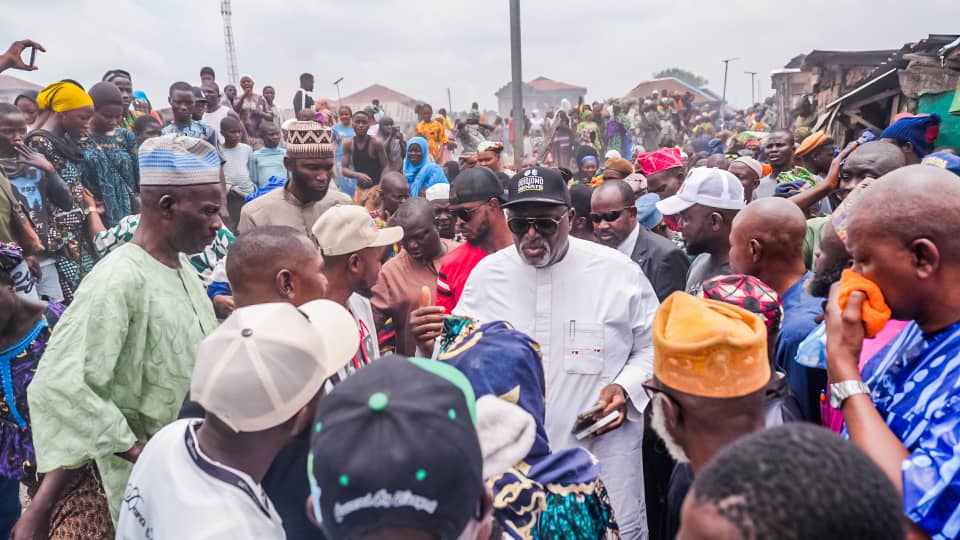
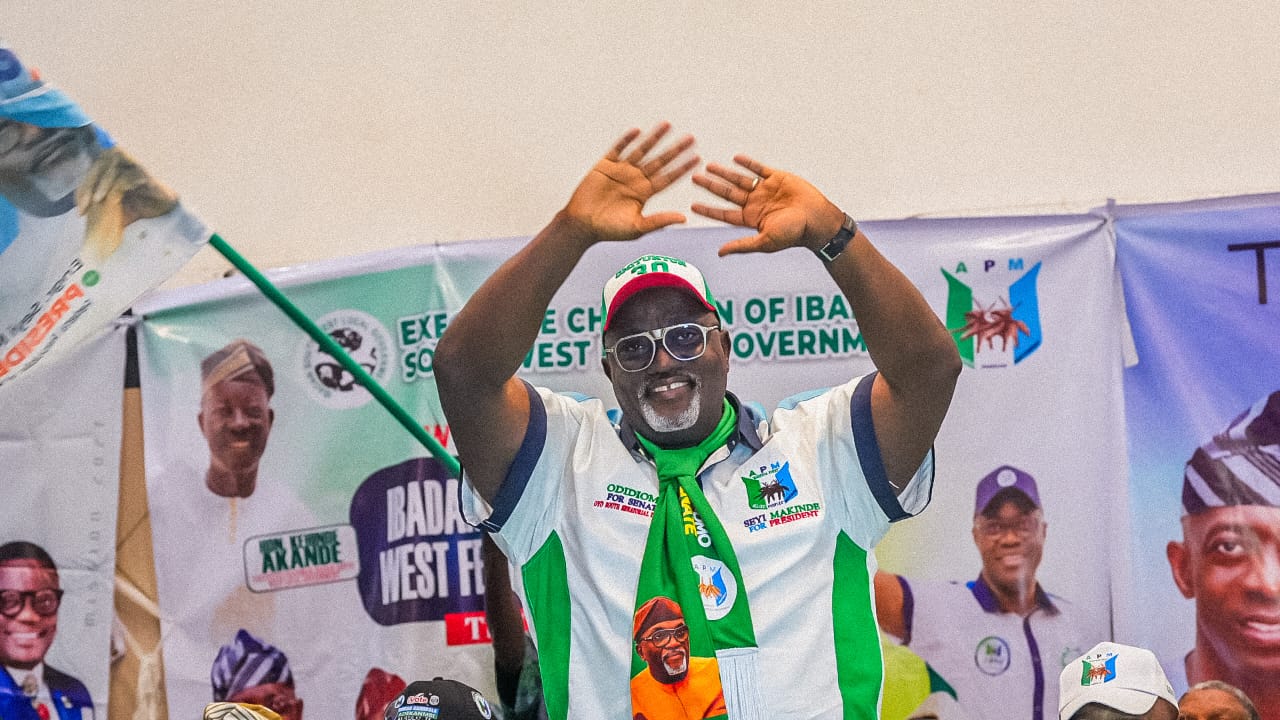
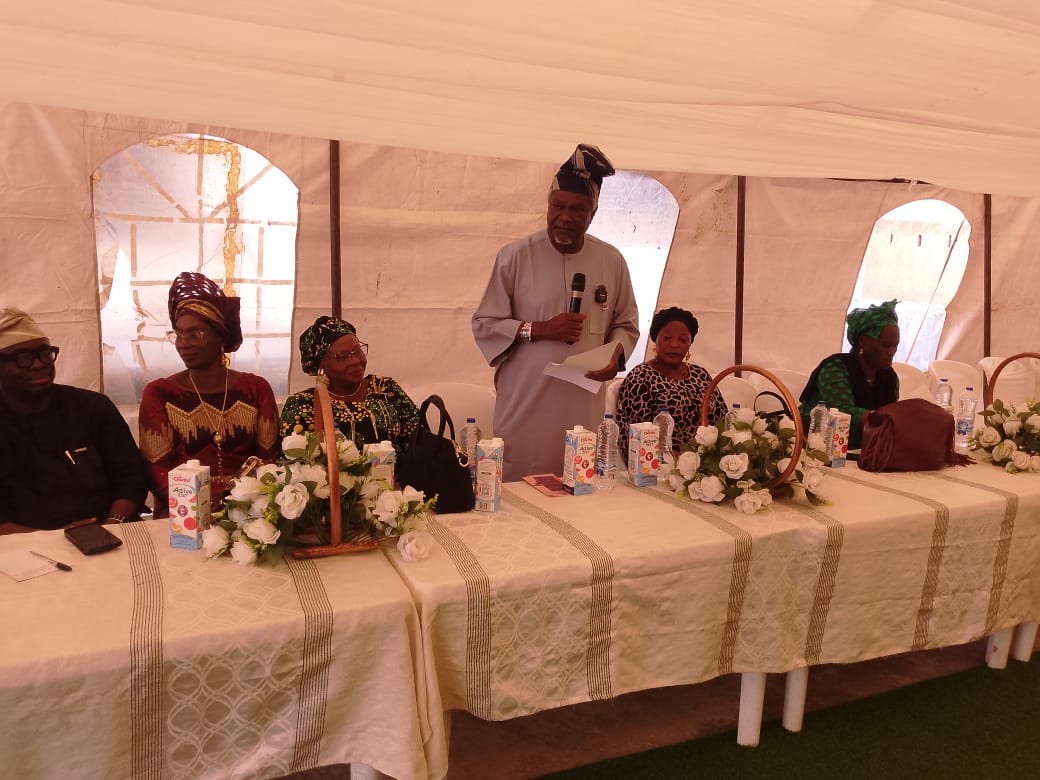
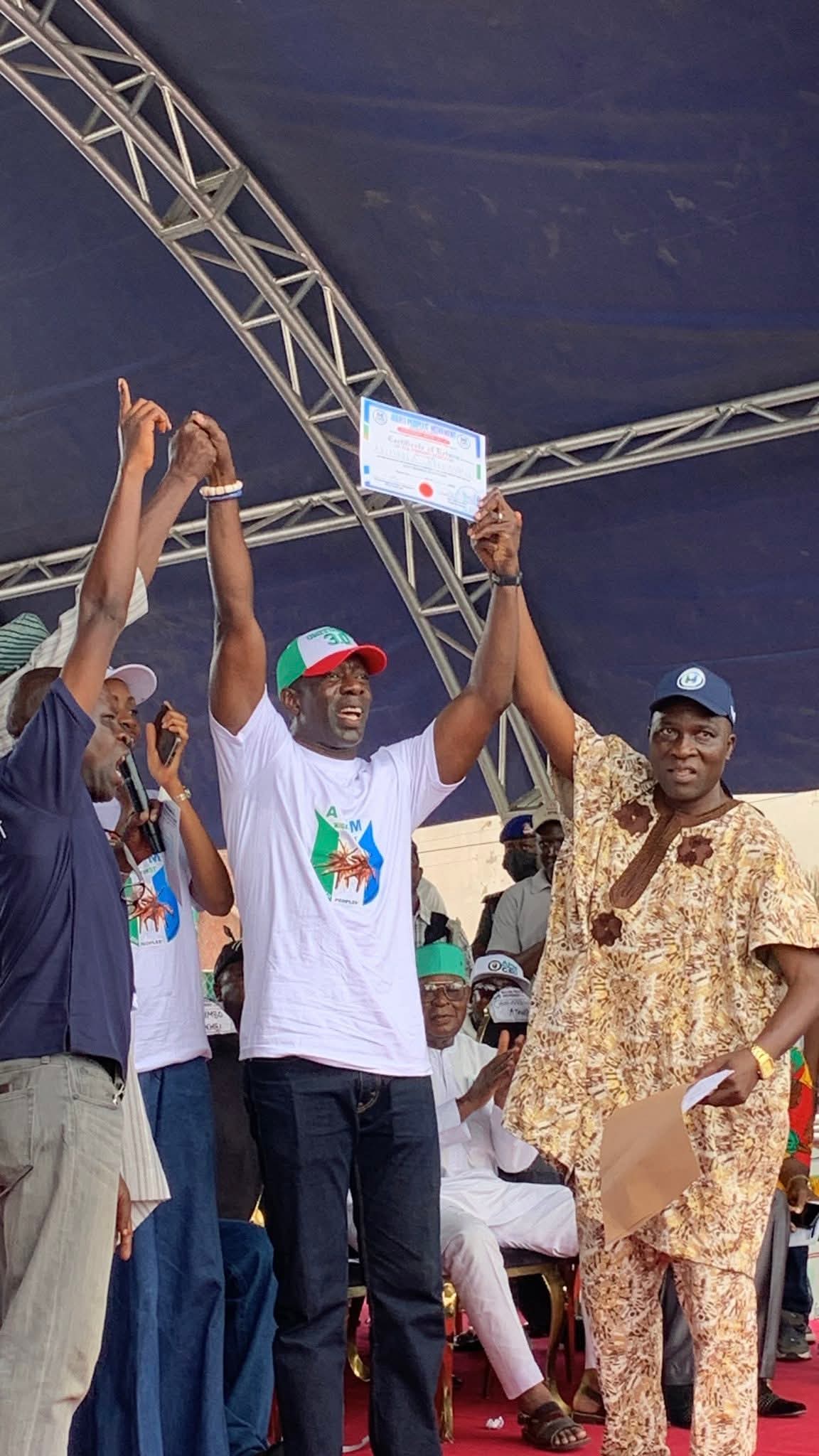
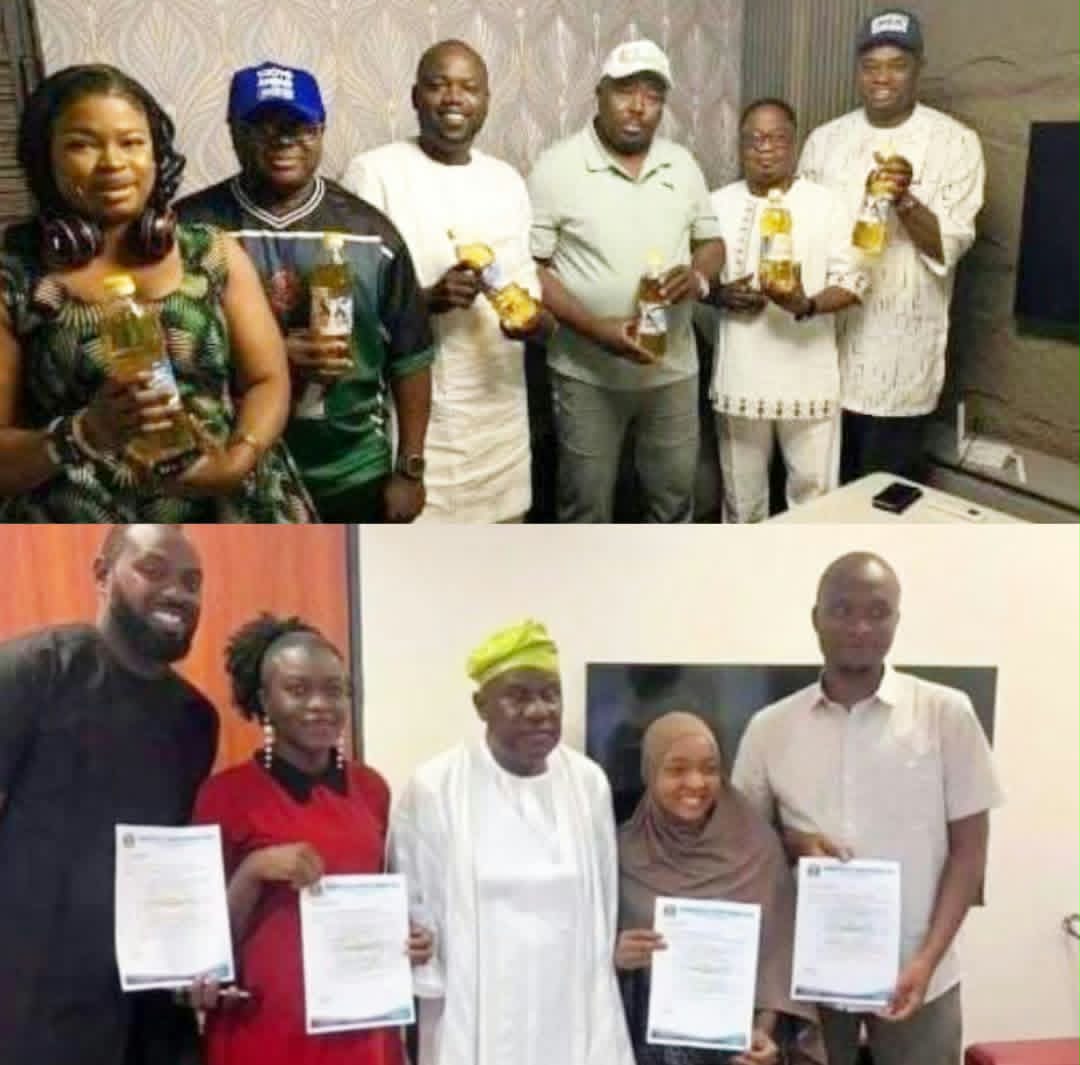
Senator Sharafadeen Alli was seen distributing groundnut oil to beneficiaries in an empowerment exercise. While such an intervention may provide temporary assistance to households, it raises a fundamental question: what exactly is the long-term economic value of an empowerment programme that ends when the contents of a bottle are exhausted?
Groundnut oil has its uses. It can help a family prepare meals and reduce household expenses for a short period. Nobody should ridicule people who receive such assistance, especially when many families are battling economic hardship. However, a bottle of vegetable oil cannot create a career, provide professional experience, establish a business or guarantee a young person a regular income. It cannot transform a struggling artisan into a successful entrepreneur or provide the economic security that comes with a stable job.
Vegetable oil may help a household manage today, but employment gives people a better opportunity to build tomorrow. That is the distinction between managing poverty and creating pathways out of poverty. For a politician seeking the governorship of Oyo State, the public should be entitled to demand a much broader vision than the distribution of consumable items.
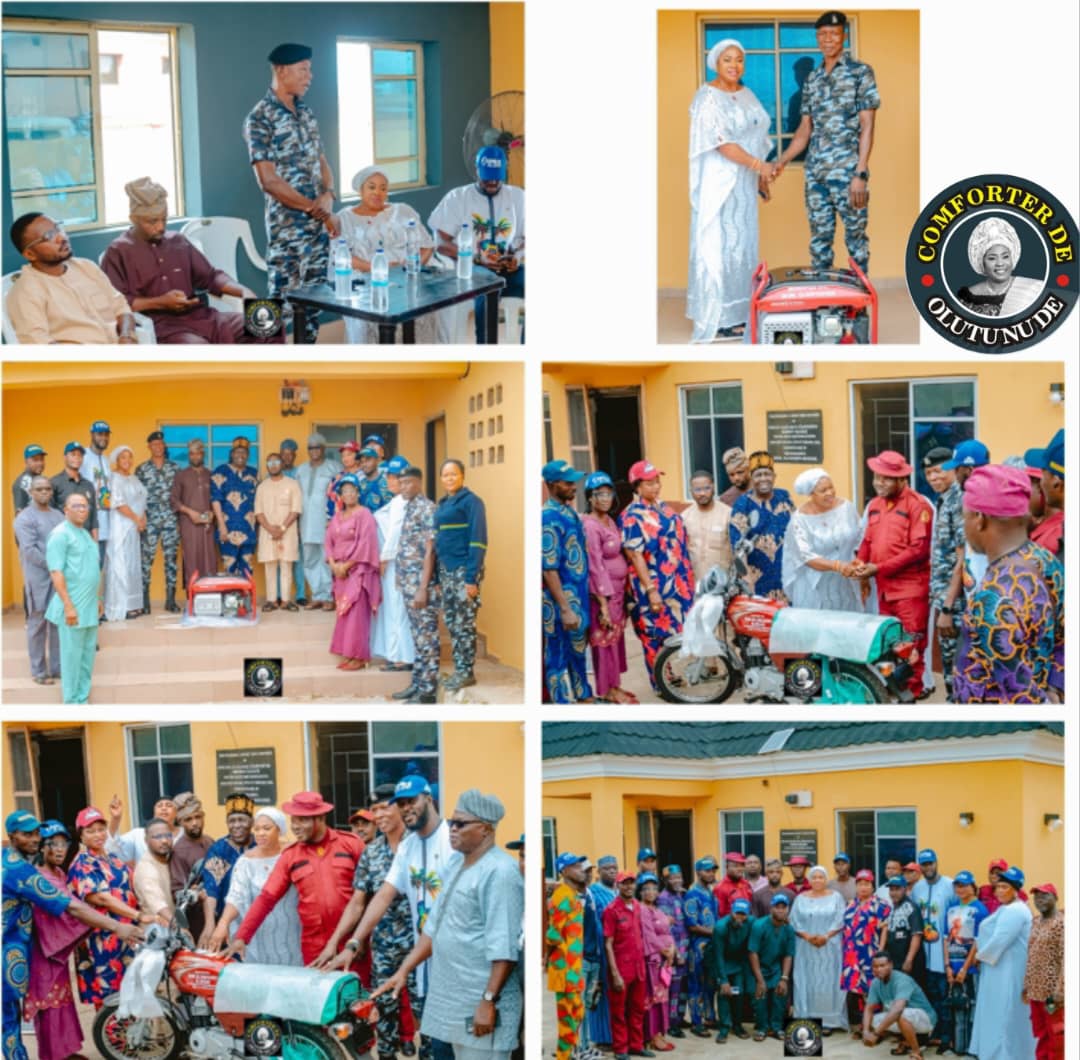
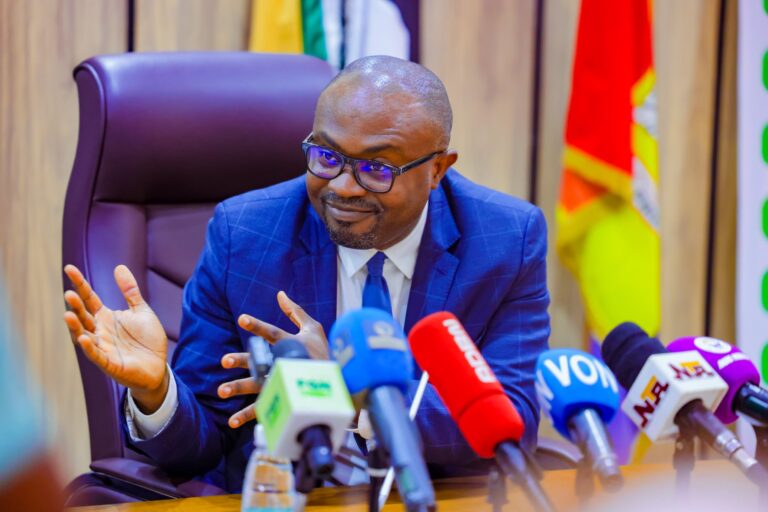
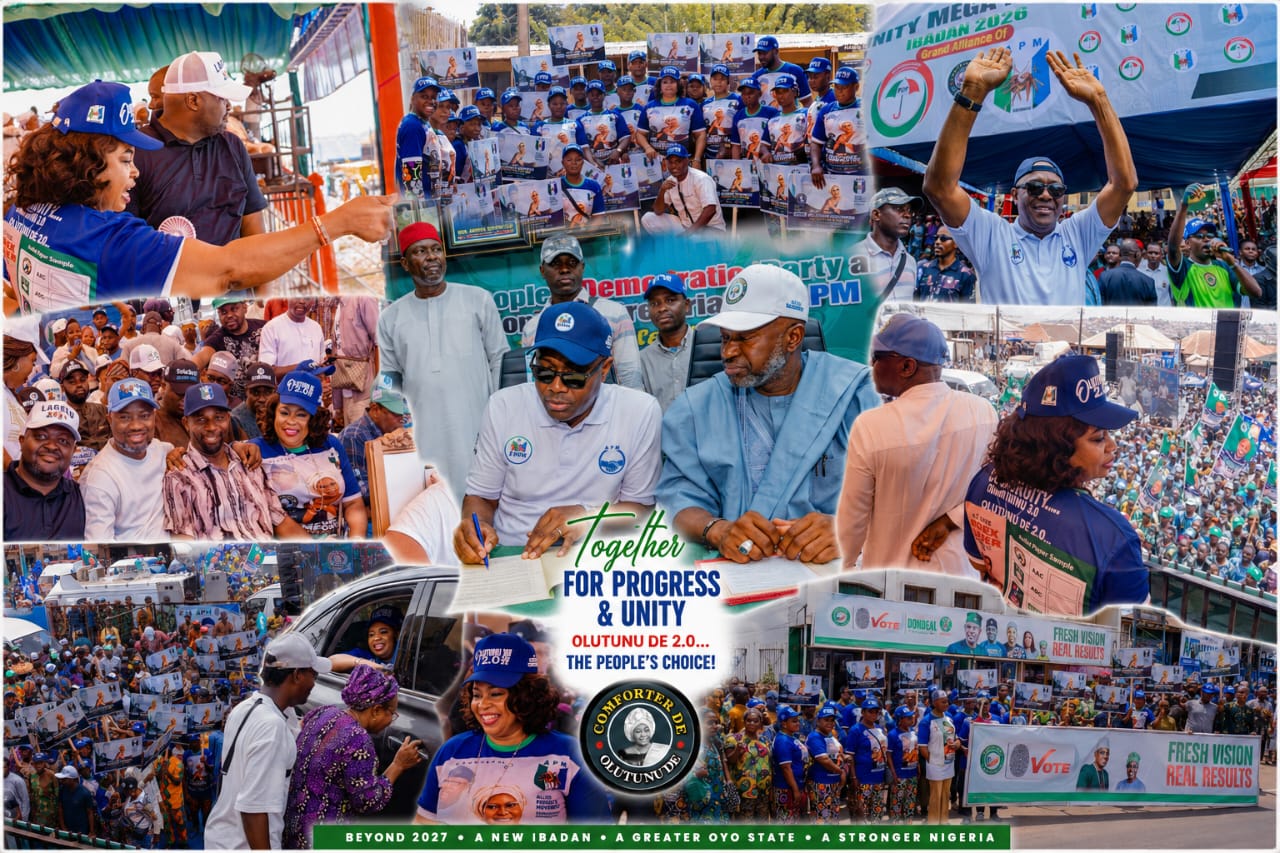
Senator Fatai Buhari’s supporters point to his reported record of job facilitation and empowerment as evidence of an approach that seeks to connect people with opportunities for economic advancement. A job can change the direction of a person’s life. It can help a young graduate become independent, enable a parent to provide for a family, and give an individual the experience and resources needed to establish a business in the future.
A person who secures sustainable employment may eventually become an employer of labour. That is how an opportunity given to one individual can multiply into opportunities for several others. Rather than merely asking what was distributed, the public should ask how many jobs were facilitated, how many beneficiaries retained their employment, how many people acquired useful skills, and how many businesses emerged from empowerment initiatives.
Nevertheless, the distinction between consumable relief and sustainable economic opportunity remains essential to the debate. One intervention may help someone get through the week; another may help that person build a career, establish a business and employ others for years. That is why political empowerment must be judged by its outcomes rather than the spectacle surrounding its announcement.
There is a profound difference between politics that concentrates on what people can consume today and leadership that invests in what people can become tomorrow. The expression that one politician is investing in the future while another is investing in pots captures the frustration many citizens feel when political empowerment appears to prioritise immediate consumption over lasting economic transformation. However, the point should not be that food assistance is worthless. The point is that food assistance alone is insufficient to serve as a comprehensive development strategy.
A serious empowerment agenda should include employment opportunities, vocational training, support for small businesses, access to productive equipment, educational assistance and programmes that help people become financially independent. Imagine a young person who receives training, secures a job, gains professional experience and eventually establishes a business employing ten people. That is a chain of economic benefits extending far beyond the initial intervention. Both forms of assistance may have immediate value, but their long-term economic implications are clearly different.
One of the problems confronting political accountability in Nigeria is the tendency to celebrate public officeholders for visible activities without adequately examining their lasting results. Until we start questioning mediocrity and celebrating measurable impact, we risk continuing to celebrate the very conditions that keep our people dependent. The people should not be made to applaud every political gesture as though it were an extraordinary achievement. Public service is a responsibility, not a favour bestowed on citizens by politicians.
A senator is elected to represent the interests of the people. An aspiring governor, Oba Sharafadeen Alli must demonstrate a credible understanding of how to improve their lives on a much larger scale. Oyo State needs a politics of productivity, not a politics that mistakes temporary relief for transformation. If politicians want to be celebrated, let the celebration be anchored in verifiable achievements: sustainable employment, thriving businesses, better educational opportunities, improved public services and measurable reductions in economic hardship.
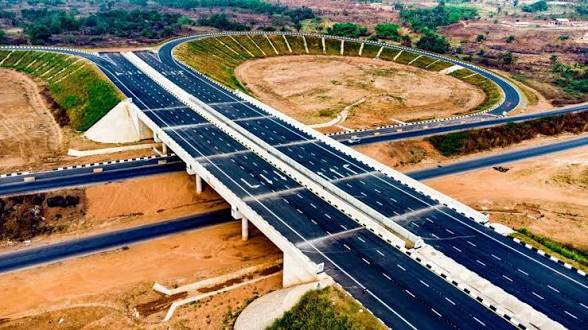
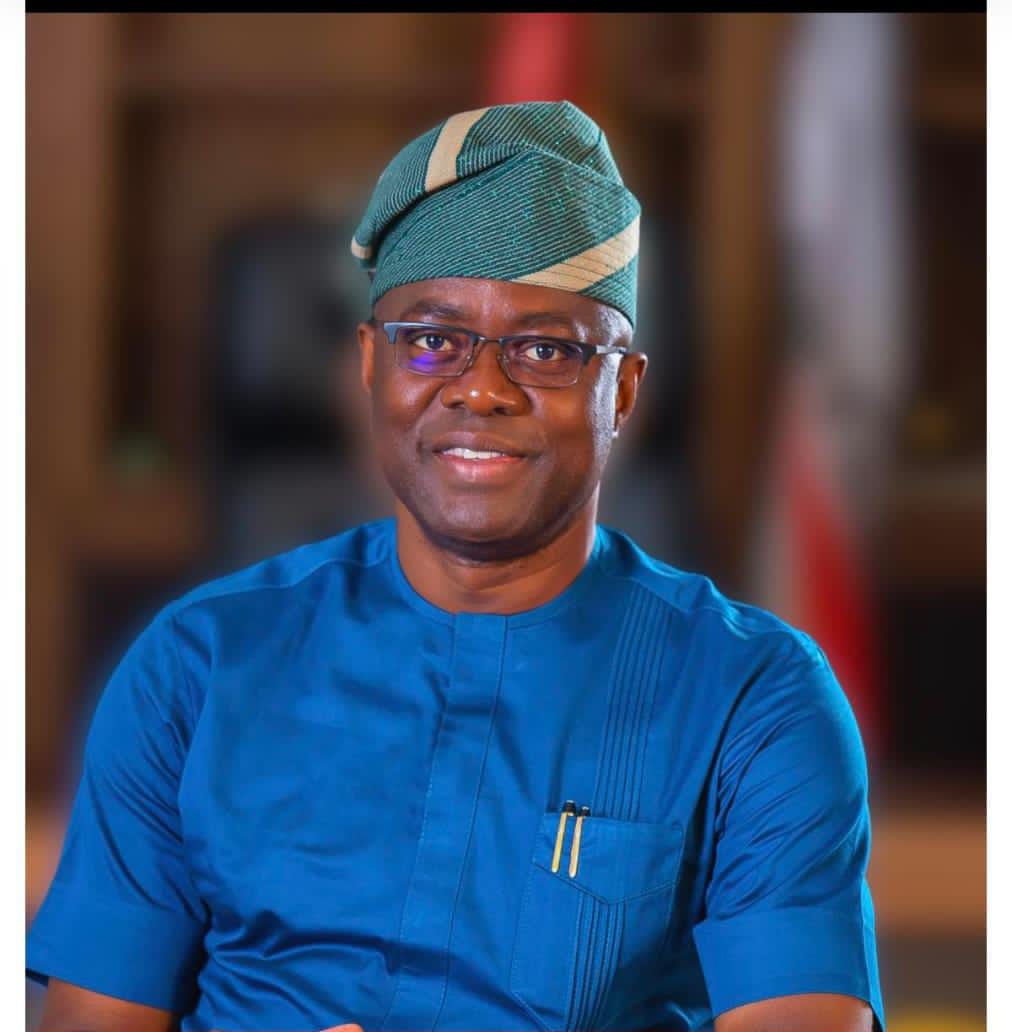
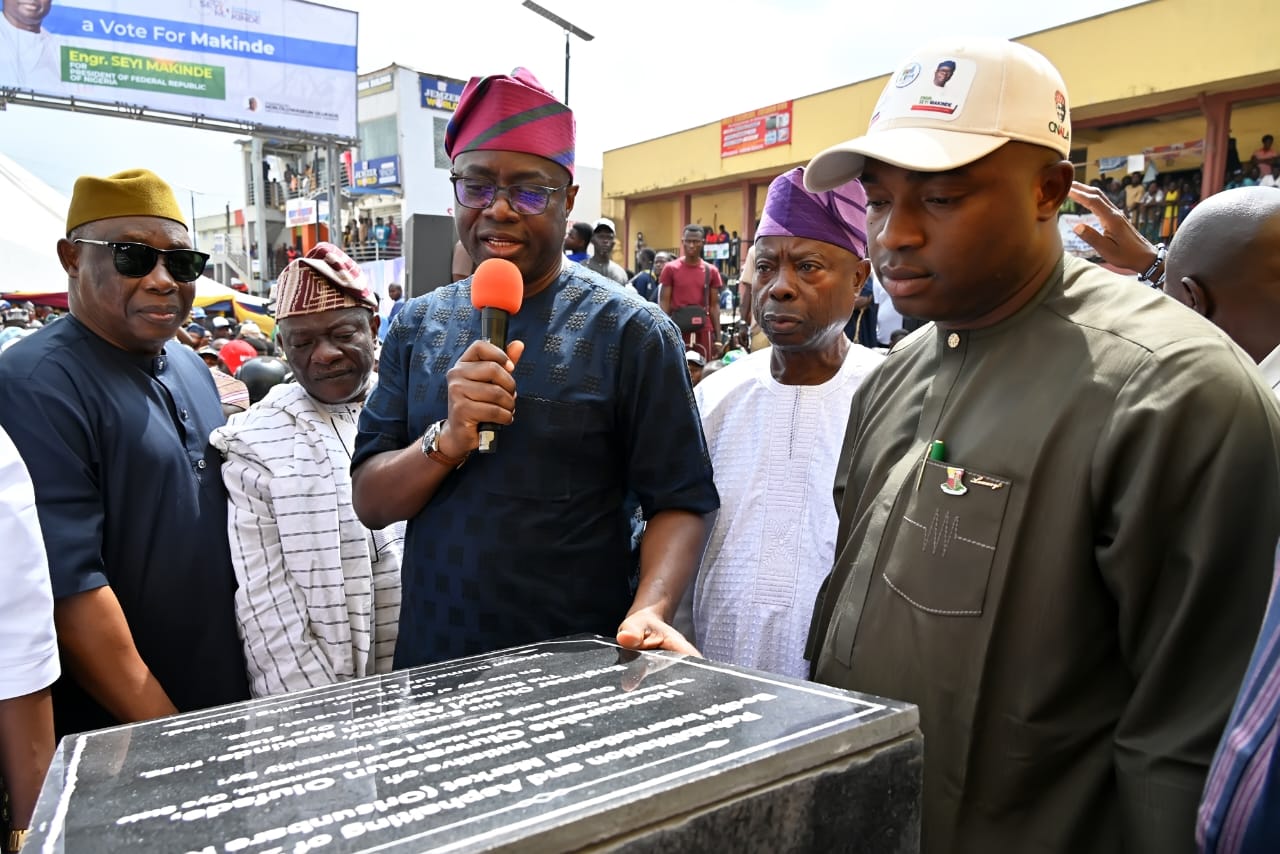
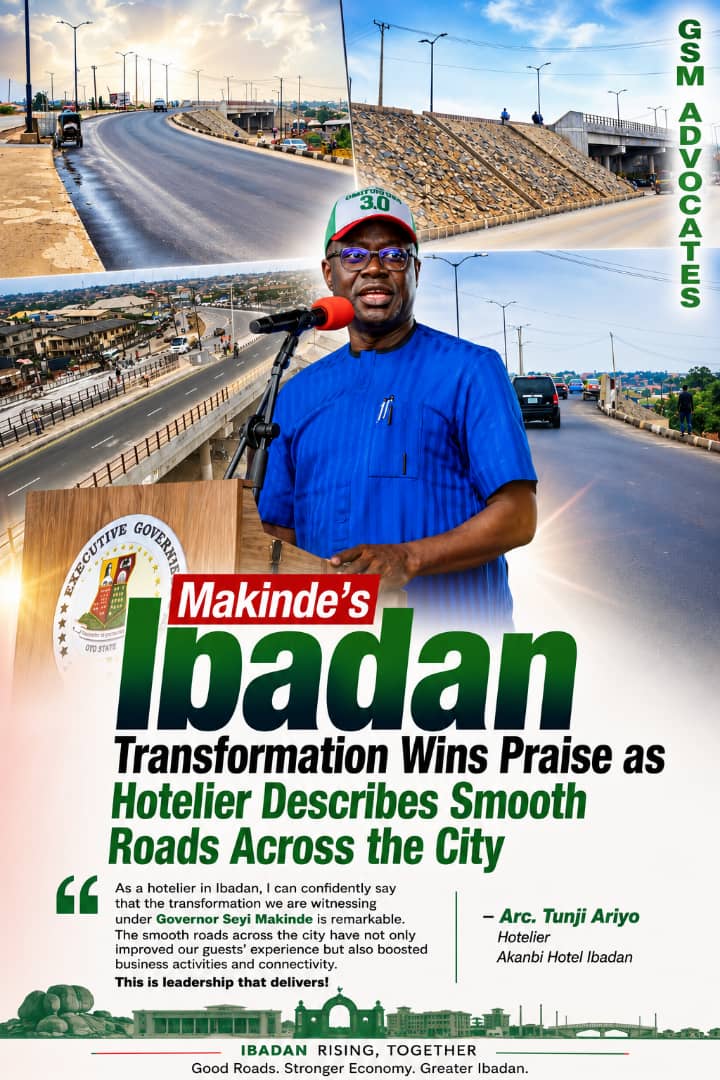
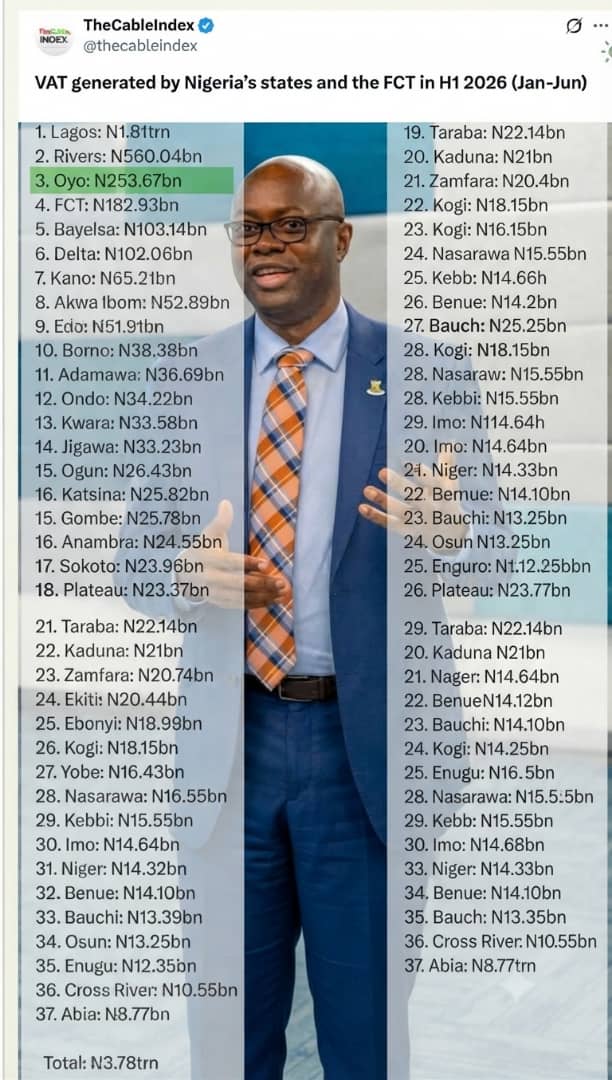
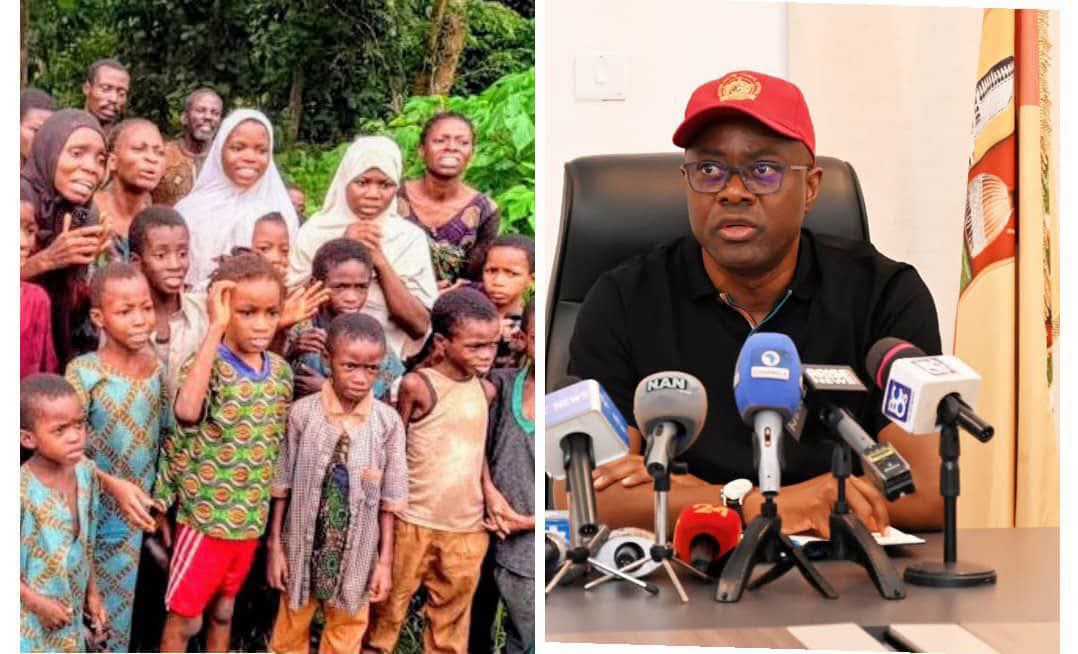
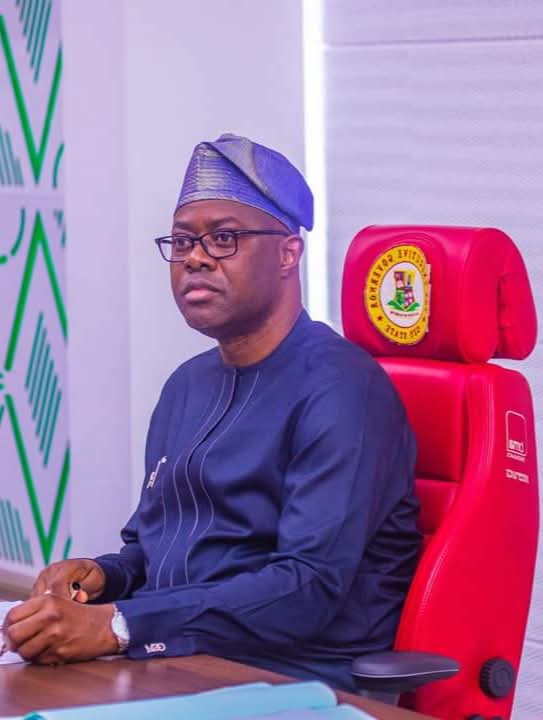
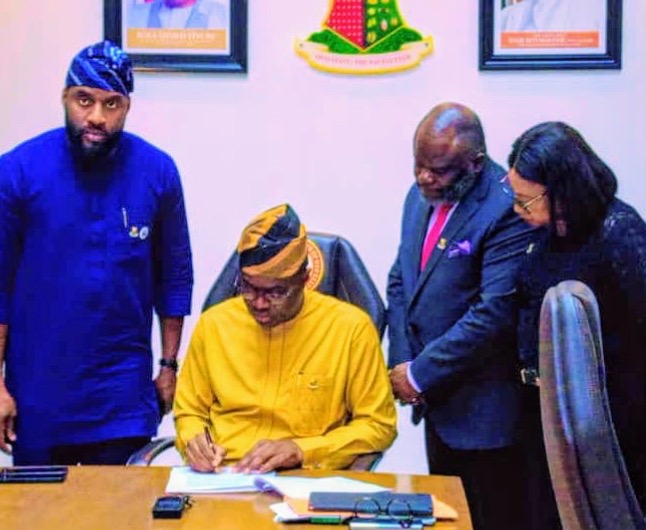
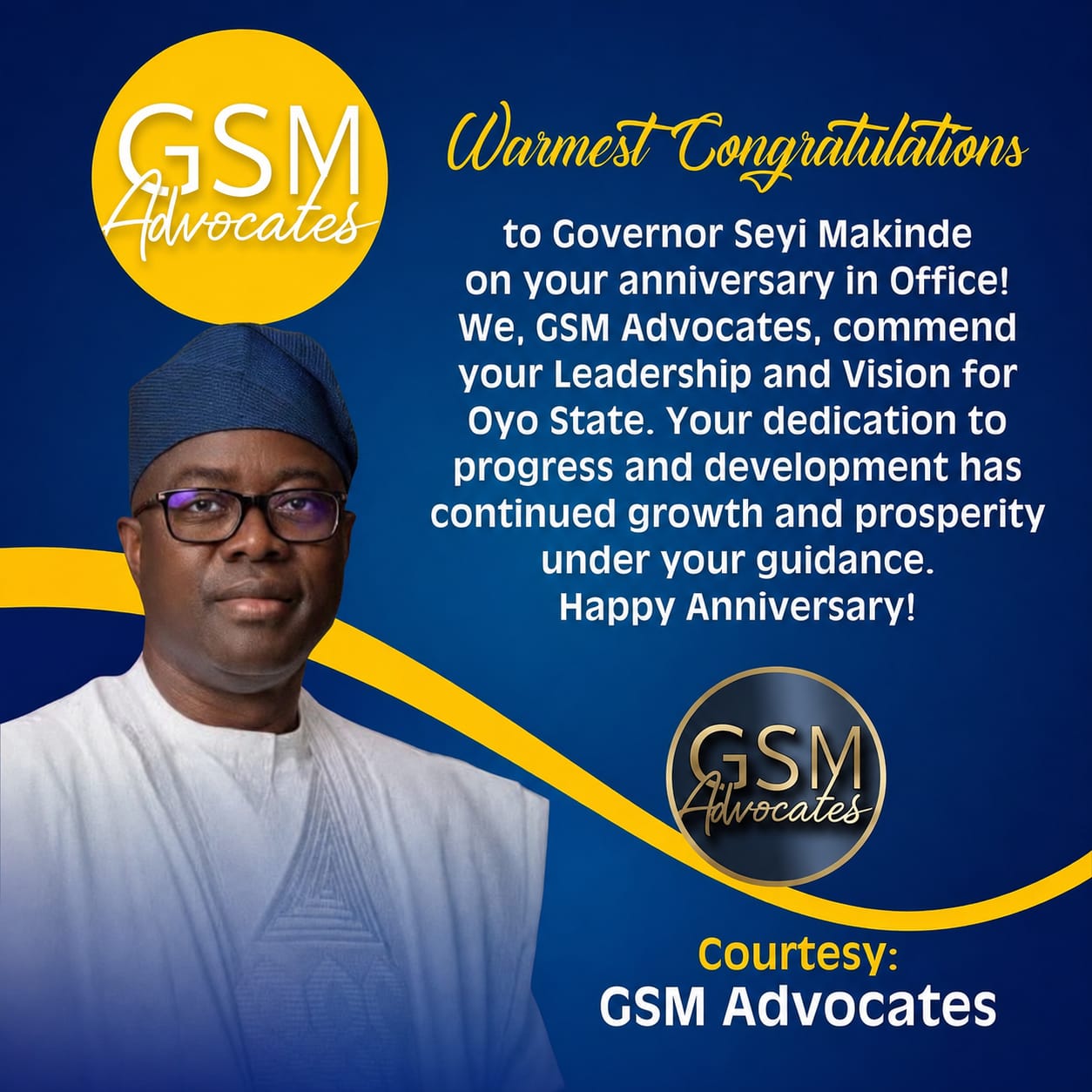
Oyo State, known for its Pacesetter identity, should aspire to advance in infrastructure, education, healthcare, investment, job creation and human capital development. Its people deserve a government that builds on progress, addresses shortcomings and creates new opportunities for future generations. Under Governor Seyi Makinde, the state has pursued a development agenda covering infrastructure, education, healthcare and economic development. The administration’s record, like that of any government, should be assessed through its projects, policies, implementation and measurable outcomes.
The next phase of Oyo State’s development should not be about taking the state backwards or reducing governance to the distribution of household consumables. It should be about strengthening the foundations for economic growth and ensuring that public investments produce meaningful benefits for residents. This is where the expectations surrounding Senator Sharafadeen Alli’s governorship ambition become significant. A person seeking to govern Oyo State must be prepared to answer questions about employment, economic productivity, industrial development, youth opportunities, education and the sustainability of public programmes.
The public should be entitled to ask whether the candidate’s record and policy proposals demonstrate a clear pathway towards advancing the state. Oyo State deserves a governor who will move the state forward, not one whose approach to development risks taking it backwards. That is a standard of public accountability, not a personal insult.
The governorship of Oyo State is too important to be treated as an extension of constituency-level distribution politics. Running a state requires a comprehensive development vision, effective institutions, sound economic planning and the capacity to create conditions in which businesses grow and citizens prosper. There is a difference between being able to organise an empowerment programme and demonstrating the capacity to lead an entire state.
A state governor must consider the needs of millions of residents, balance competing priorities, support economic activity, attract investment, strengthen public institutions and ensure that development reaches communities across the state. The governor’s responsibility extends beyond providing temporary assistance to a selected group of beneficiaries. It includes creating an environment where people can find work, businesses can employ workers, students can access quality education and families can build secure futures.
For this reason, Oyo State’s political conversation should demand more than promises and publicity. It should demand a clear plan for the future. Senator Sharafadeen Alli should be asked to explain how his vision for Oyo State would expand employment, support enterprise development and build on the state’s existing development efforts.
The people of Oyo State must insist that anyone aspiring to govern them demonstrates an understanding of the difference between helping citizens survive and creating the conditions that enable them to thrive. A state that wants to progress cannot afford to lower its expectations of leadership.
Adebayo Kazeem writes from Oyo State.